Tailoring
Blazer pockets sewn shut: identify the construction before cutting
A flap is not proof of a pocket you can open.
In shortSome real blazer pockets have temporary closures; other pocket-shaped details are decorative. Identify the exact construction and temporary stitches before removal, and ask the retailer or a tailor if unsure. A visible flap or contrasting thread is not proof of an opening.
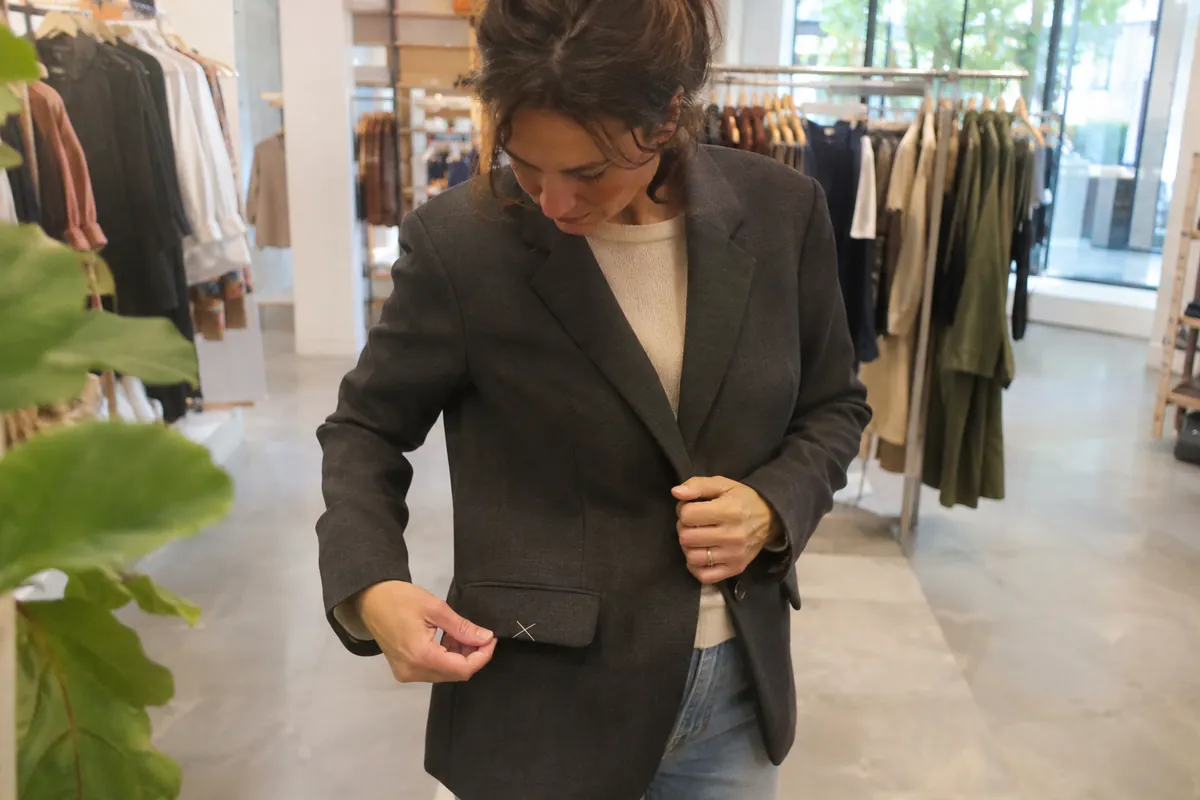
Blazer pockets can arrive temporarily sewn shut, but some pocket-shaped details are decorative. Identify the actual construction before removing any thread. Ask the retailer or a tailor to confirm a usable pocket and its temporary closure if you are unsure; a visible flap or contrasting stitch alone does not prove it should be cut.
Why a real pocket may be closed
A temporary closure can keep the pocket area in its intended shape during making, finishing and handling. Tailor Roberto Revilla explains the relationship with pressing and presentation, while also warning that some jacket details are not real pockets. Keep those two possibilities separate when looking at your own blazer.
The fact that one pocket on the jacket opens does not establish that every welt or flap does the same job. Check each location against the product description or maker's explanation. Do not cut through the lining to investigate a shape you cannot identify from the outside.
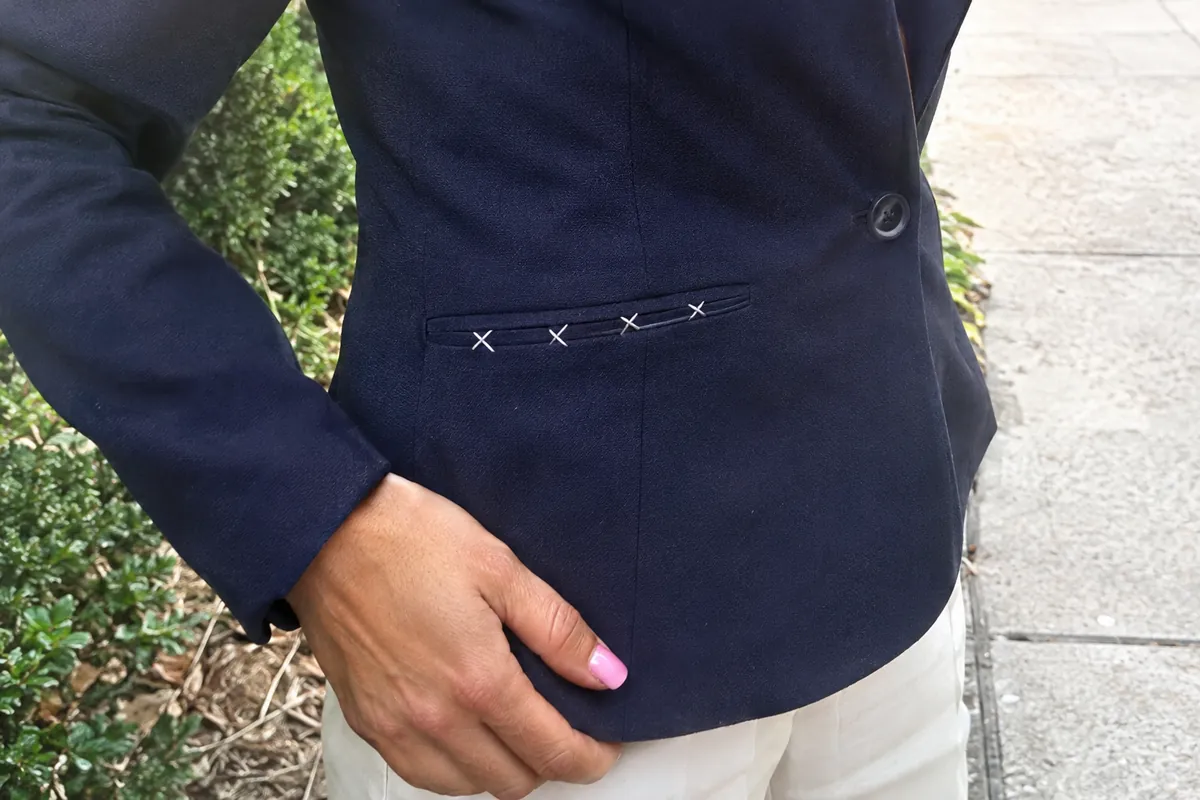
Identify the opening and pocket bag
Inspect the area in good light without forcing the edges apart. Ask whether there is a usable opening and pocket bag behind the detail, and which stitches are temporary. Permanent edge stitching and reinforcement at the ends have different functions from a tack across the mouth.
Color, looseness and appearance are clues, not a universal identification method. A matching thread can be temporary; a visible thread can be structural. If you cannot confidently separate those roles, take the actual garment to the retailer or tailor. It is easier to ask for identification than to repair a cut in the cloth.
Which situation describes your blazer?
The maker confirms a real pocket and temporary closure
Decide whether you need it open and have the identified closure removed using the maker's method or professional help.
There is only a decorative welt or flap
Leave the construction intact. A pocket-shaped detail is not a hidden storage compartment.
I cannot identify the stitches
Stop before cutting and ask someone who can inspect the actual blazer.
Do you need the pocket open?
SuitShop's guidance for its jackets describes temporary stitching and suggests leaving pockets closed unless they are needed. This is a practical option, not a rule that every wearer must keep every jacket pocket shut. First establish what the garment is designed to do, then choose the useful arrangement.
An open pocket does not have to become storage for everything you carry. Compare the jacket empty with the intended light contents, checking the front and side in a relaxed posture. A phone or keys can change how the area hangs. Use a separate bag if the pocket does not suit the load or access you need.
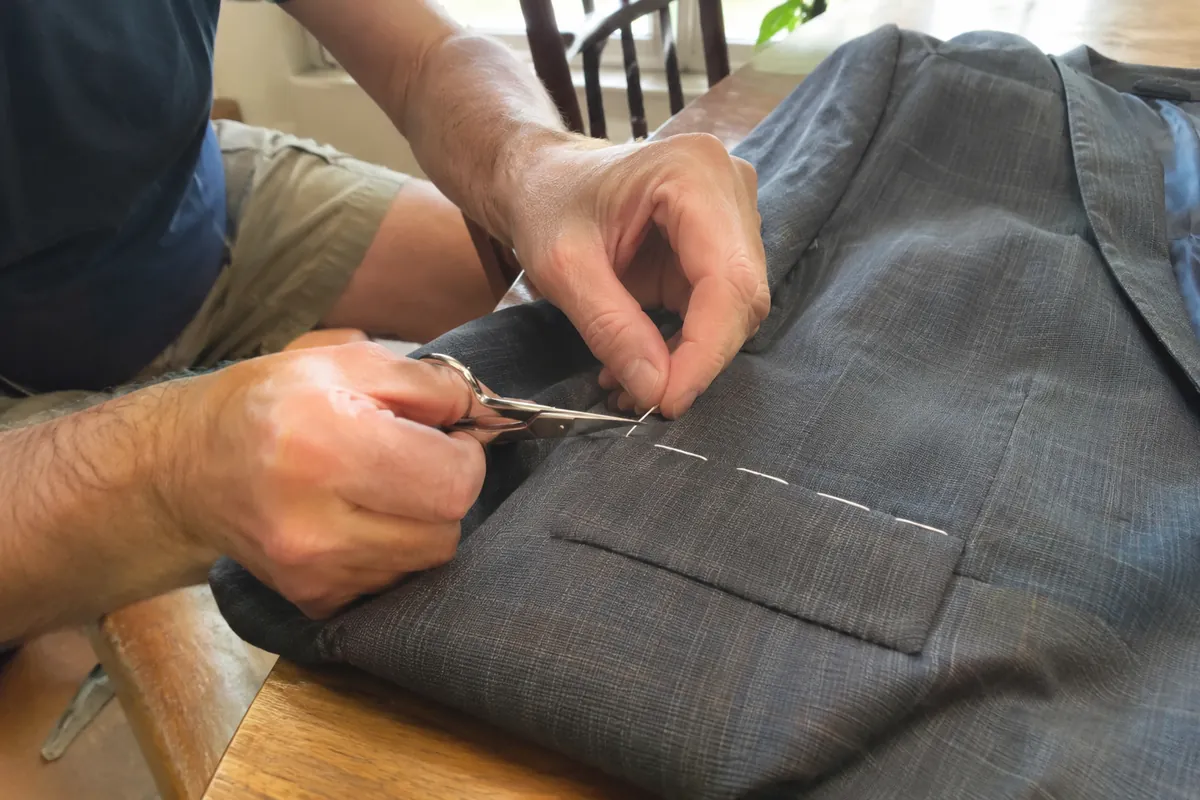
Keep removal and repair separate
Once a temporary closure is positively identified, follow the maker's instructions or ask a tailor to remove it. Do not use a kitchen knife, pull hard against resistance or continue cutting until something opens. If the cloth has already been nicked, stop and show the damage instead of treating more stitches as the remaining obstacle.
Suits Unlimited also distinguishes false pockets in its discussion of new suiting. That warning is useful even though a general article cannot identify your particular blazer. The work should follow the construction in front of you, not a promise that every new jacket contains a functional pocket.
Check the whole jacket without a pocket load
If you are assessing a hollow at the sleeve head, empty pockets before making the comparison. Record where you feel restriction and where the cloth changes shape without assuming that pocket use explains a separate fit problem.
Small maintenance items also need a carrying plan. The heel-accessory guide distinguishes separate tools and repairs; a loose component does not belong beside delicate cloth simply because it fits in a pocket.
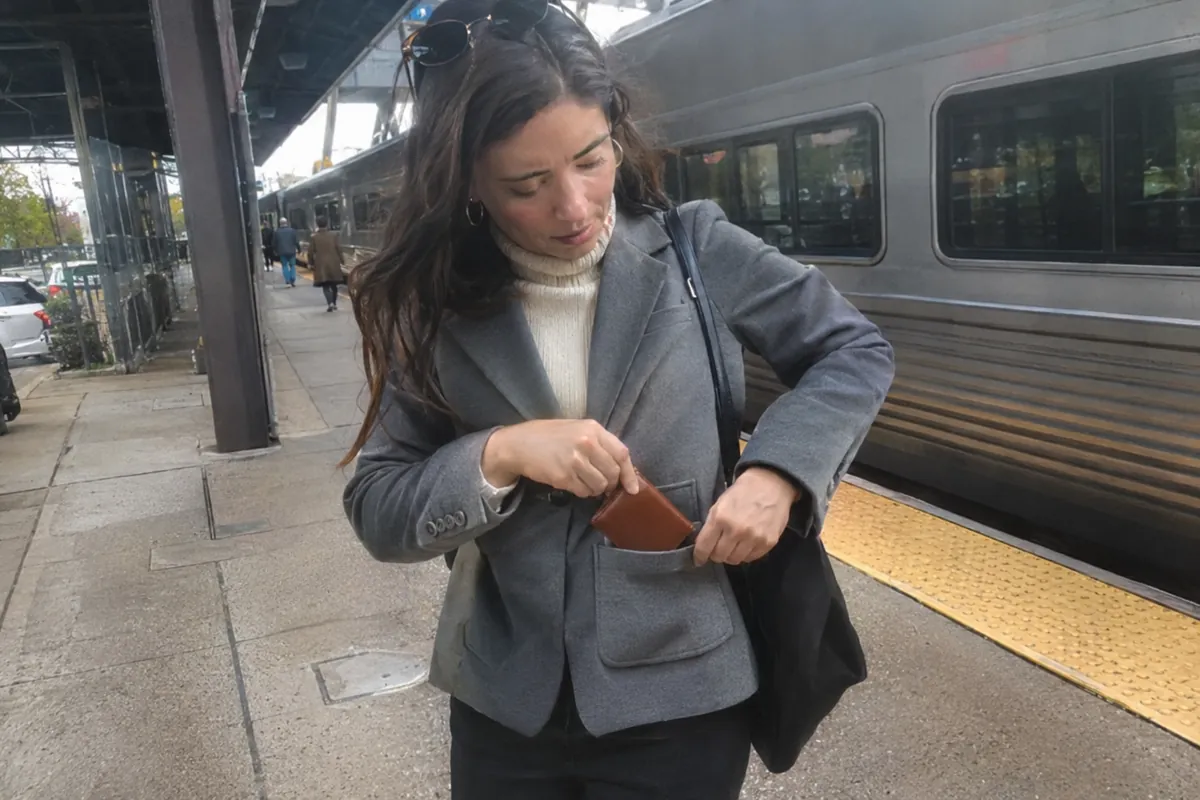
Keep a useful record for the next wearing
Note which pockets were confirmed and opened, and whether any were intentionally left closed. If someone else prepares or cleans the outfit, that record prevents a decorative detail from being treated as an unfinished job. Recheck the garment in ordinary movement after any agreed work, keeping pocket access separate from the fit of the shoulders, sleeves and closure.
Frequently asked questions
Are all sewn-shut pockets real?
No. Some pocket-shaped details are decorative.
Does contrasting thread prove a temporary tack?
No. Identify its role in the actual construction.
Must I open a real pocket?
You can choose whether you need access once its intended construction is confirmed.
What if the opening resists?
Stop and ask for an inspection rather than pulling or cutting further.
Can a heavy object change the hang?
Compare with the pocket empty and use a separate bag if needed.