Dress codes
Business Casual for Women: A Dress Code Decoder for Every Workplace
The phrase means something different in every office. Here is how to read it.
In shortBusiness casual means polished and comfortable, but the exact line depends on the workplace. Banks and law firms expect tailored pieces. Startups accept clean sneakers and knitwear. When in doubt, dress one level above your team, then adjust after a week.

Business casual is one of the most used and least defined phrases in the workplace. It means polished and comfortable, but the exact line depends on what your industry, your team and your clients expect. The decoder below gives a starting point for six common settings.
What business casual means in practice
Most offices agree on three things. Clothes should be clean, pressed and fitted. Logos, gym wear and visible wear should be absent. A structured piece, such as a blazer, a tailored shirt or a clean knit, should be easy to add or remove. Beyond that, the rules change. A bank asks for more structure than a design agency. A hospital asks for cleanable fabrics and closed shoes. A tech team may welcome more color than a law firm would.
The phrase also changes with the week. Many teams relax on Fridays and tighten up when a client visits. Read the calendar before you decide, not only the dress code document.
How to use the decoder
Choose the setting closest to your workplace. The panel shows what usually works, what to be careful with, and one safe outfit to start from. Then check two things: what your manager wears on a normal day, and what people wear to client meetings. If the two differ, dress for the client meeting.
Interactive tool
Dress code decoder
Usually expected: tailored trousers or a pencil skirt, a structured blazer, a fitted shirt, closed leather shoes at a modest heel.
Be careful with: denim, knit dresses without a jacket, bold prints, sneakers.
Safe starting outfit: charcoal trousers, a white or ivory shirt, a navy blazer, pointed flats or low pumps.
Usually expected: suits or separates in navy, grey or black, crisp shirts, polished shoes, minimal jewelry.
Be careful with: bright colors on client days, visible logos, open-toe shoes in front-office roles.
Safe starting outfit: a navy suit, a cream blouse, a simple necklace, closed pumps.
Usually expected: dark jeans without distressing, a good knit or a shirt, a blazer or a structured cardigan, clean leather sneakers or loafers.
Be careful with: hoodies with logos, athletic leggings, anything too casual for a client demo.
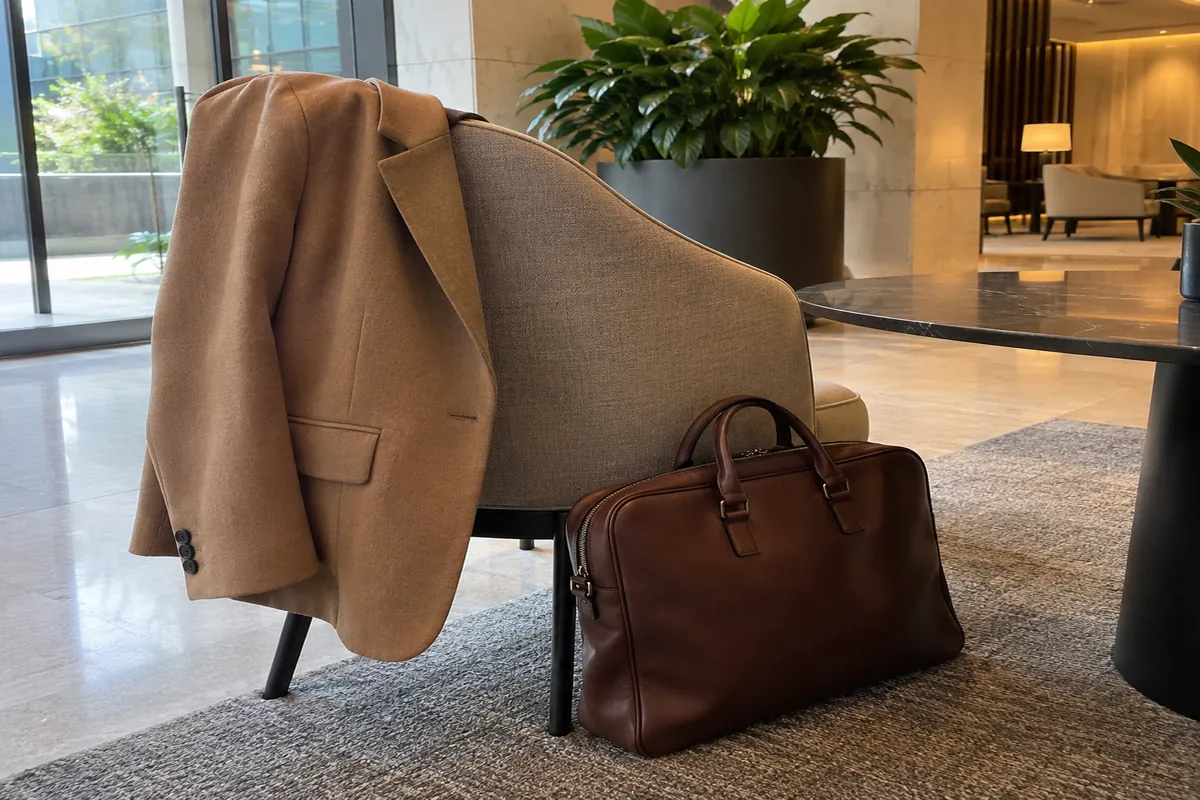
Safe starting outfit: straight dark jeans, a fine merino knit, a camel blazer, leather sneakers.
Usually expected: tailored trousers or a knee-length skirt, a top that can be cleaned easily, closed comfortable shoes, a jacket or cardigan for warmth.
Be careful with: long necklaces and dangling earrings, fabrics that wrinkle or hold odors, open-toe shoes.
Safe starting outfit: dark trousers, a fitted knit top, a cardigan, supportive closed shoes.
Usually expected: smart separates, a blazer or structured knit, comfortable shoes you can stand in all day.
Be careful with: very high heels on the floor, tight fits that restrict movement, strong perfume.
Safe starting outfit: a dark midi skirt, a fitted shirt, a light blazer, low block heels.
Usually expected: personal style with one strong detail, a well-cut jacket, interesting texture, good shoes.
Be careful with: looking costumed, wearing a look that is not yours, neglecting fit.
Safe starting outfit: a black knit dress or wide trousers, a textured jacket, one bold accessory, a clean pair of boots.
The four rules that hold in almost every office
- Fit first. A cheap shirt that fits well looks more professional than an expensive one that pulls at the buttons.
- Keep one structured piece. A blazer, a tailored coat or a structured cardigan signals that the outfit was planned.
- Choose shoes you can walk in. Shoes shape how the whole outfit reads, and visible discomfort undermines the rest.
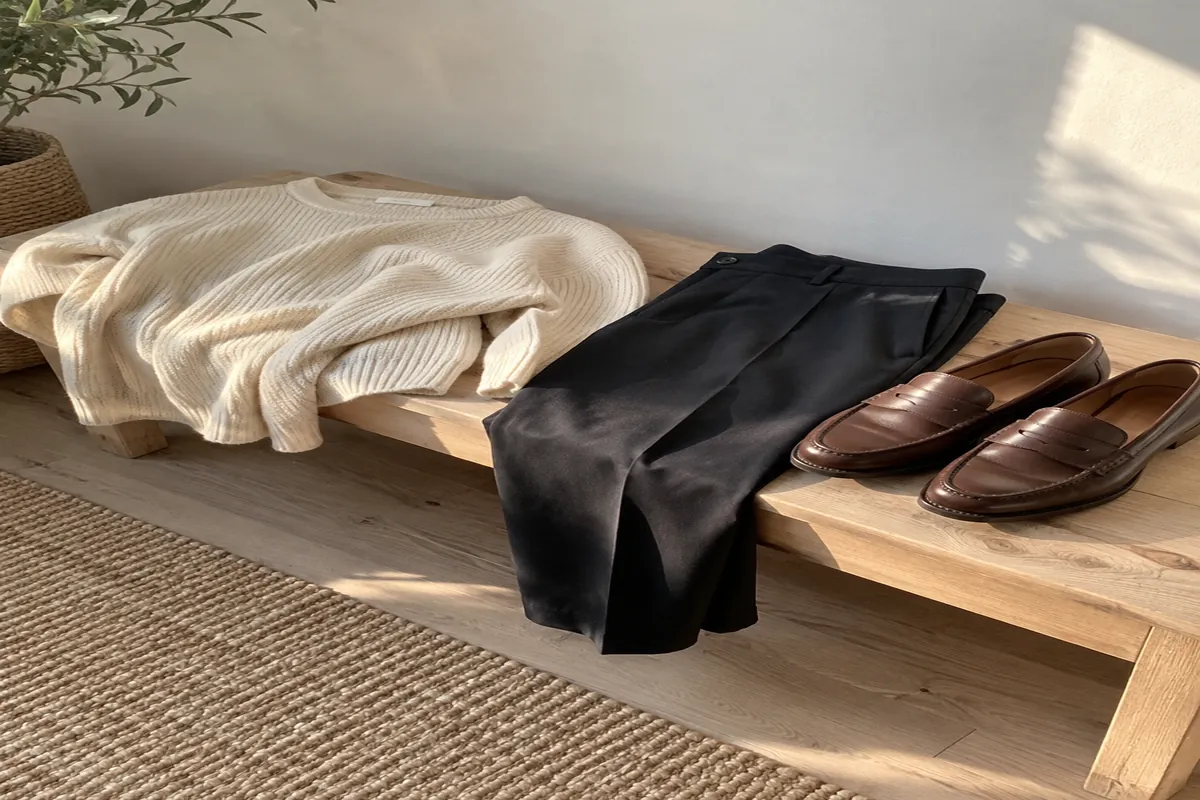
- Dress one step above the team. Being slightly more polished in your first month is easy to adjust. Being too casual is harder to recover from.
What to do when the rule is unclear
Ask for one example of a normal week. Most managers can describe the dress code in a sentence, and most HR teams will answer a direct question. If you cannot ask, watch the people who lead meetings, and notice what they wear to external calls. That is usually the real standard.
When you are new, keep a second, more formal outfit at your desk, such as a blazer and a plain top. You can add it on a day when a client appears unexpectedly, and you will not need to go home to change.
Business casual and the rest of the week
A workplace may allow jeans on Fridays and expect tailoring on Mondays. Plan a small set of pieces that work in both settings: a navy blazer, a neutral trouser, a shirt in white or ivory, and one pair of shoes you can wear all day. Adding a bright scarf or a belt changes the mood without changing the rules.
Where to go next
If you are preparing for a job search, read what to wear to a job interview, which covers how to dress for a role one step above the everyday standard. For the fit of a suit or blazer, see how a women's suit should fit.
Read the signals before you ask
Job postings rarely mention clothes, but the rest of the advert often does. Words such as client-facing, executive, boardroom or presentations suggest a more structured standard. Phrases such as fast-paced, hands-on or creative suggest a looser one. Pay attention to the photos on the company's site too, especially pictures of the team in the office, at events or on video calls.
During the first week, watch the people in your own meetings. Notice who leads, who presents to clients, and what they wear when they walk into a room they do not own. Their clothes show the local standard more reliably than any written policy.
Client visits, travel and conferences
The standard usually rises when someone from outside the company is involved. A client visit calls for one step more formal than your normal day: a blazer, a clean shoe and a fabric with some structure. Travel is different. A train or a flight rewards comfort, but the arrival should still look planned. Keep one blazer in the bag, and change into it in the restroom before the first meeting.
Conferences often sit between two standards. Speakers are expected to look more polished than attendees, and networking events allow a little more color. A simple rule works well: choose one piece that is more formal than the rest of your outfit, and make it the piece that catches the eye.
When the rules conflict
Some teams have a relaxed daily standard but a formal standard for specific clients, such as banks, public bodies or hospitals. In that case, keep a formal outfit ready for the client days, and dress for the team on other days. Ask your manager which days are client-facing, and put them in your calendar. Consistency across the week matters more than matching the most casual person in the office.

Frequently asked questions
Are jeans business casual?
Dark, well-fitted jeans without distressing are accepted in many tech and creative offices, and rarely in law or banking. Look at what senior people wear on video calls before you decide.
Can I wear sneakers with business casual?
Only in workplaces that allow them. Choose clean leather sneakers in a neutral color, and keep them out of client-facing days unless your team wears them too.
What is the safest business casual outfit?
Trousers or a knee-length skirt, a fitted top or knit, a structured layer and closed shoes. It works almost everywhere and can be dressed up or down.
Is business casual the same as smart casual?
No. Smart casual gives more room for color, pattern and personal style. Business casual still expects structure, a neat finish and no visible logos or gym wear.
What should I do if the dress code is unclear?
Ask your manager or HR for one example of a typical day, and watch what people wear to client meetings. Dressing one level above the team is safe until you know the norm.