Work style
What to wear for a video job interview
Choose for the meeting, then check the moving frame.
In shortChoose a video interview outfit for the employer’s setting, then test it on your actual device. Sit, move and check the frame and sound with your intended layers. Keep familiar clothes that work in that setup. Camera advice alone does not define a dress code or hiring outcome.
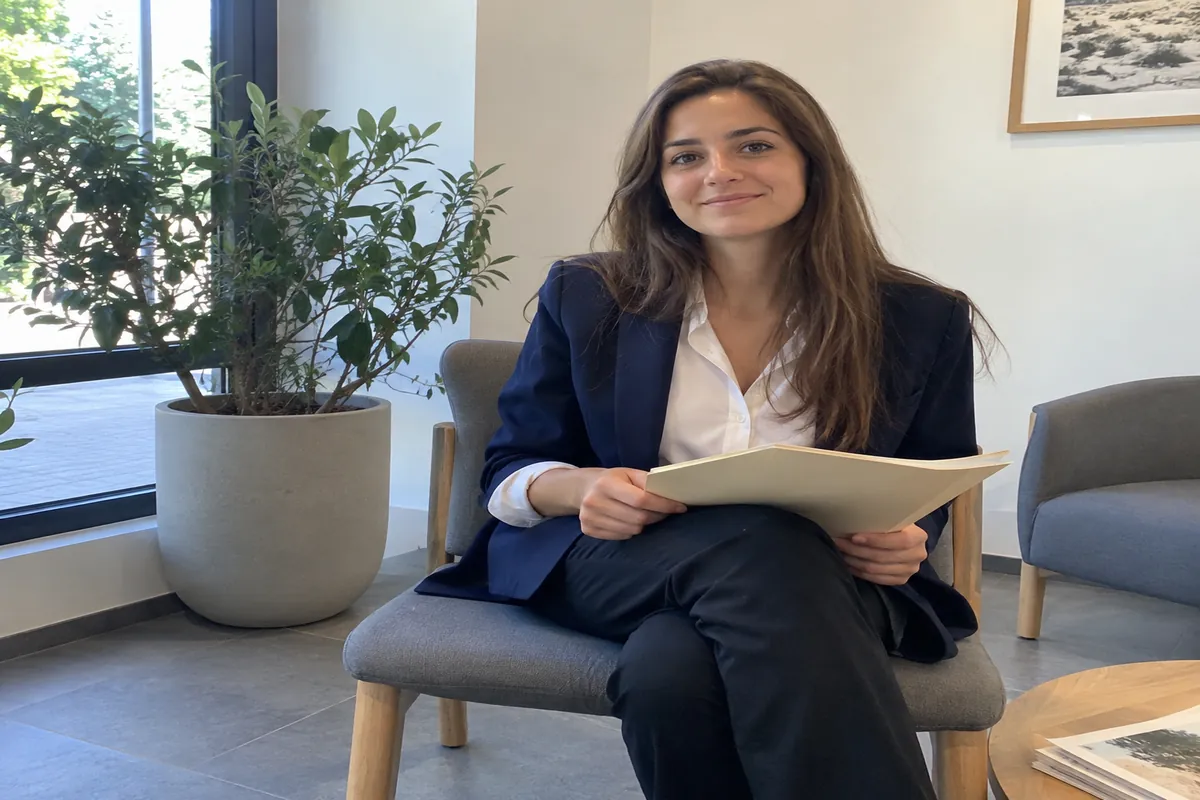
A video interview adds a moving frame, sound and a real conversation to the usual outfit decision. Start with the employer's instructions and your role. Then test clothes you already trust on the equipment you will use. This is preparation for the meeting, not a promise about a hiring outcome.
| Format | Question to confirm |
|---|---|
| Live conversation | Who will attend, and what does the employer expect? |
| Recorded responses | What practice, timing and equipment instructions are provided? |
| A separate portrait request | What image and crop are required? Keep it separate from the interview. |
How formal should the outfit be?
Follow the actual employer's guidance rather than treating “on camera” as a dress code. Ask the recruiter if the setting is unclear. HireVue's candidate preparation guidance connects virtual preparation with the organization and interview format. It does not establish a compulsory blazer, heel or makeup rule for every candidate.
The interview outfit guide covers the broader work-setting decision. Keep familiar clothes that fit comfortably when seated. A complete outfit also makes it easier to stand or retrieve something without worrying about the camera crop. Choose footwear for comfort and any actual in-person part of the day.
Which instruction is missing?
The organization gives a clear dress code
Use it as the starting point, then test the actual clothes in your frame. Camera preparation does not replace the employer's brief.
The invitation only says virtual interview
Ask about the format and expected setting. Keep a familiar option ready instead of guessing a new uniform.
The platform offers a practice recording
Use that practice for framing, sound and movement. Check its instructions before assuming you can replay or redo a final response.
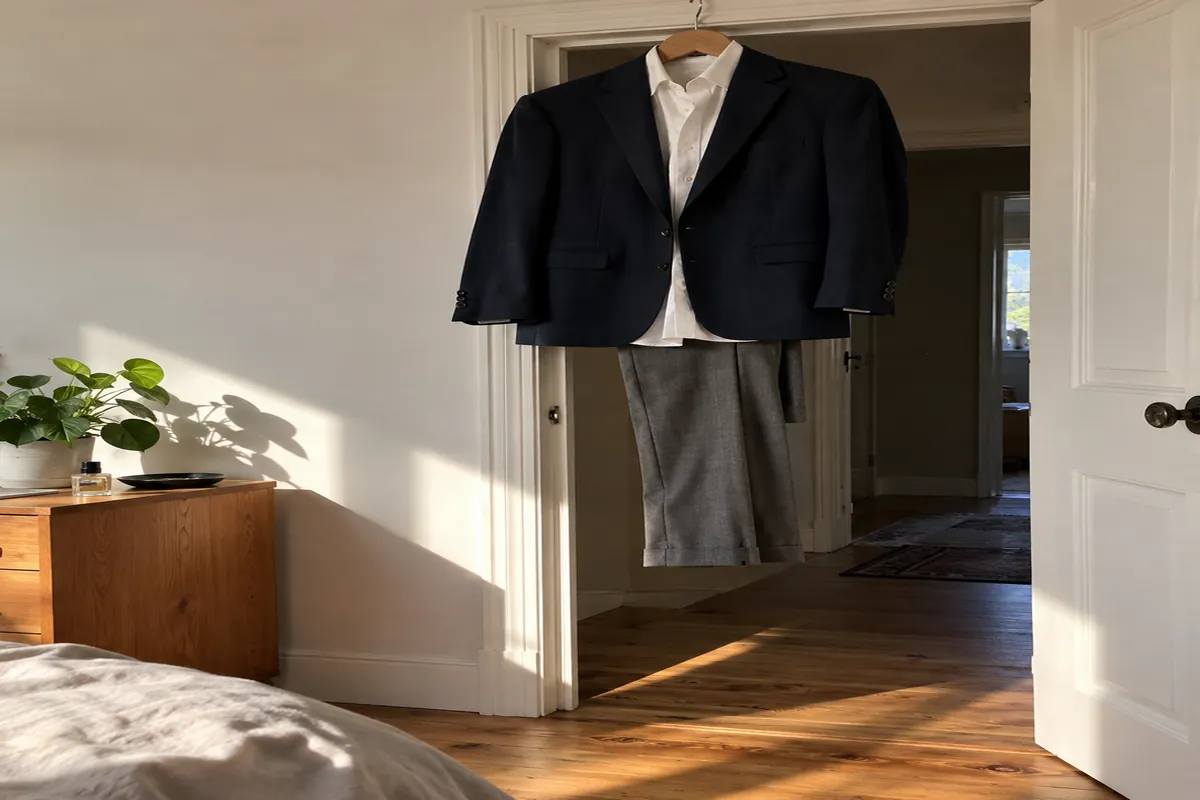
Which camera test is worth doing?
Use the same device, seating and lighting you expect for the meeting. Check what the interviewer can actually see when you sit naturally and move normally. A mirror cannot reproduce that frame. Look for an opening that shifts, a collar touching a microphone or an accessory that makes sound.
Rice University's on-camera clothing guidance describes production concerns such as patterns, contrast and lighting. Treat those as things to observe in your setup. A color that disappears into one background is not forbidden against every background; a still phone photograph does not establish how the video feed behaves.
Do you need to avoid every pattern or dark color?
Check the actual result before replacing clothes. Small patterns can behave differently across cameras and displays, and exposure can change how very light or dark areas look. If you see a distracting effect, try another familiar option or adjust the permitted setup. Do not buy an entire camera wardrobe from a blanket color rule.
Use the work capsule planner to identify combinations you already own. Separate a technical picture issue from a preference about style. The outfit still needs to represent your ordinary professional presentation and work with the employer's requirements.
What did the practice reveal?
A neckline or layer moves when you sit
Reposition or change that item and test normal movement again. Check the whole outfit, not a frozen pose.
An accessory makes microphone noise
Try a quieter familiar detail or change its contact with the microphone as the setup permits. Listen to another short practice.
The outfit looks comfortable and the picture is clear
Keep the choice. Move on to the interview instructions and preparation rather than adding changes without a problem to solve.
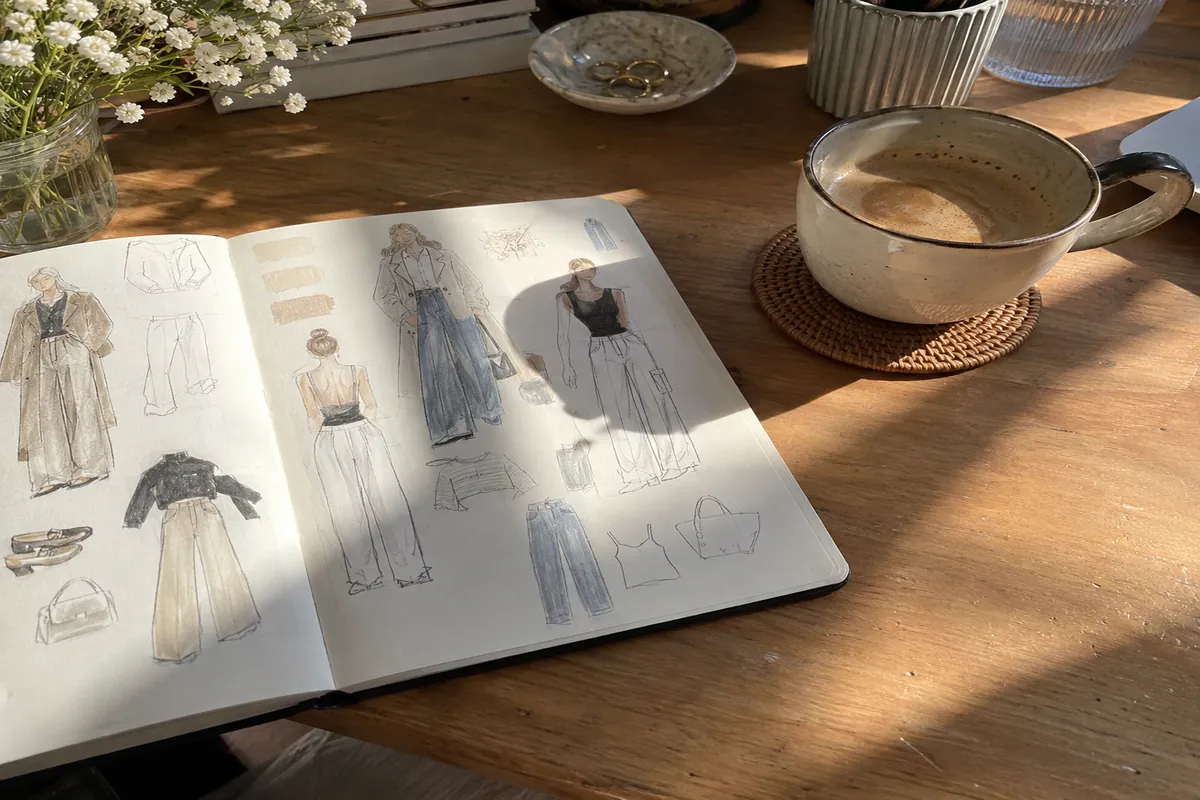
How can you keep personal style in the frame?
Keep a familiar detail if it meets the brief and works in the test. Glasses, a head covering, an accessory or your normal grooming choices do not need replacing merely because the meeting is online. The signature style guide helps name what you recognize as your own.
Indeed's video interview clothing guide offers preparation examples. Use the practical check, not a claim that one appearance produces better recruitment results. Once the setup works, keep the remaining time for the role, your examples and the questions you want to ask.
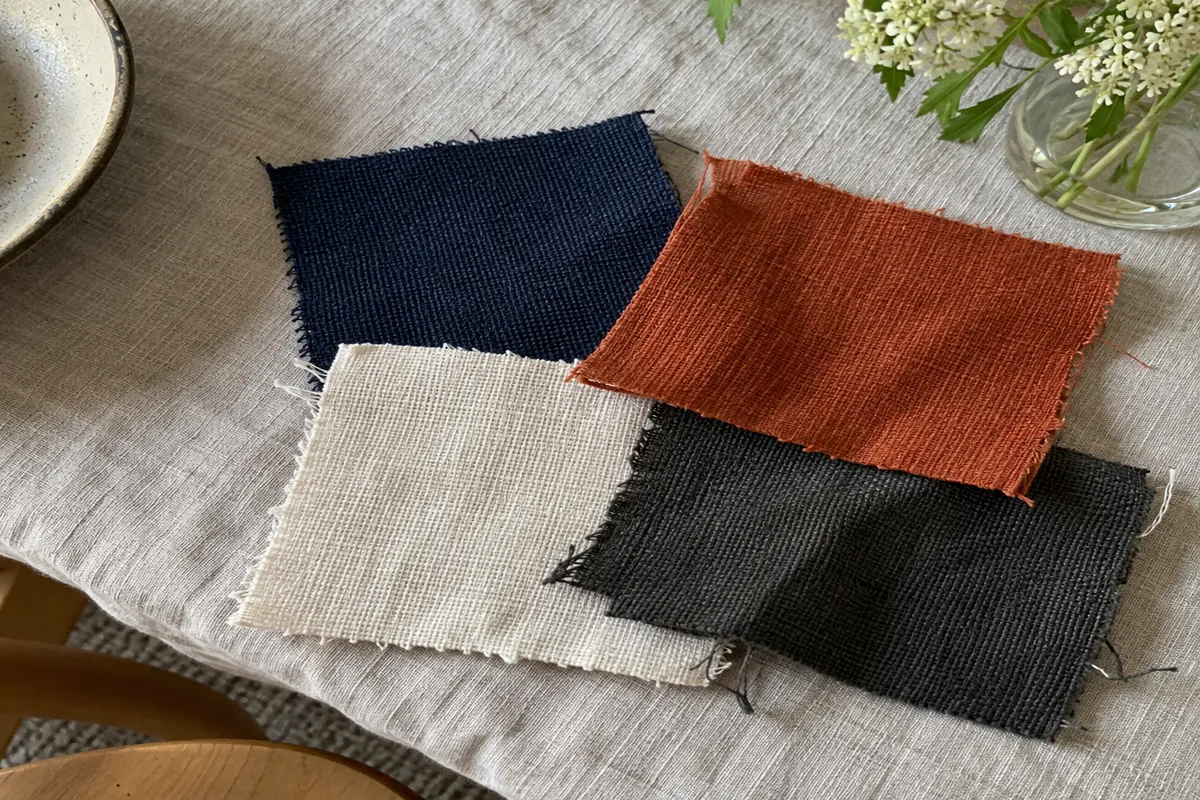
What belongs in the final outfit note?
Write the chosen clothes, the intended layers and any equipment issue you resolved. Keep the invitation and platform instructions nearby. That short note is more useful than a second shopping list: it records an outfit already checked in context and leaves attention for the conversation.
Frequently asked questions
Must a video interview outfit include a blazer?
Follow the actual employer and role. A blazer is one option, not a universal requirement.
Is a pattern always unsuitable?
Test it on the equipment and display you will use. Respond to a visible picture issue instead of assuming a blanket ban.
Can I wear my usual glasses?
Keep your ordinary presentation and check reflections in the actual setup. Ask about a technical issue if it remains.
Do I need to change my normal grooming?
This guide does not prescribe makeup or a new appearance. Follow the brief and your comfortable ordinary presentation.
Is a headshot test enough?
A still picture does not test movement, sound or the live frame. Check the actual video arrangement.
Will a better outfit guarantee a better result?
Clothing preparation cannot establish a recruitment outcome. It resolves practical outfit questions before the conversation.