Confidence
Build a Signature Style: Colors, Silhouettes and the Confidence to Wear Them
A signature style is a short list of repeated choices. It makes getting dressed faster and easier to read.
In shortA signature style is a short set of repeated choices: two or three colors, one silhouette you always feel good in, and one personal detail. Take the quiz below to find your starting profile, then test it for two weeks.

A signature style is not a uniform and it is not a single trend. It is a short list of repeated choices that tell people who you are before you speak: a small palette, a silhouette that fits your body and your work, and one personal detail that is yours alone.
The three parts of a signature
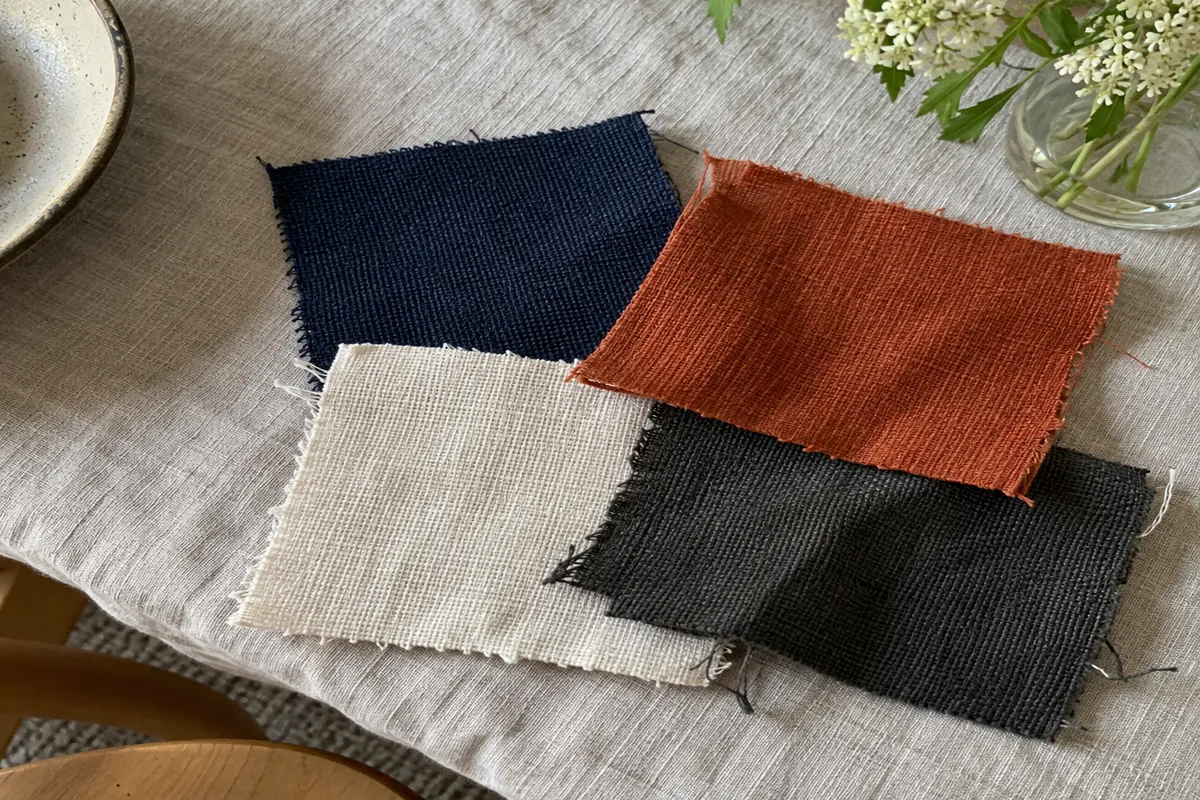
Colors. Choose two or three base colors that suit your skin and that you enjoy wearing every week. Add one accent for variety. Navy, grey, camel, cream and olive are reliable bases, while rust, plum and emerald work well as accents.
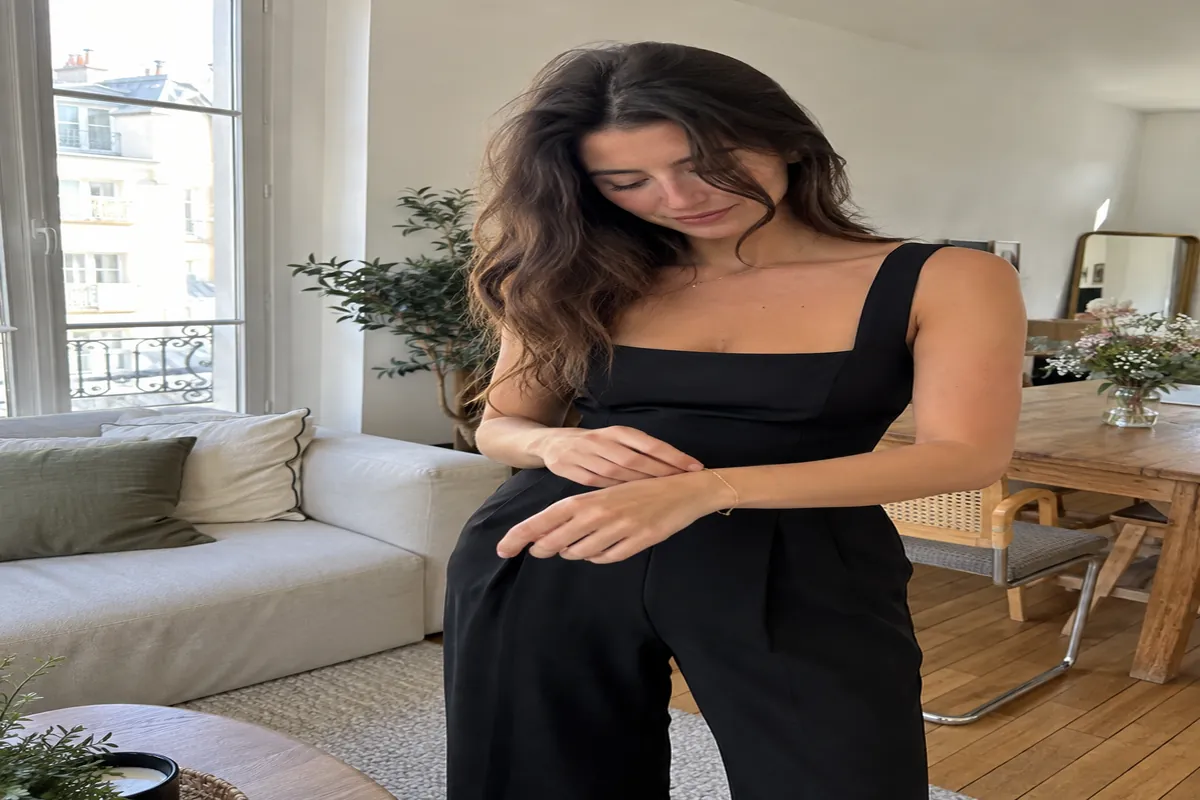
Silhouette. Choose the cut you feel most like yourself in. It might be a straight trouser with a fitted top, a wrap dress, a structured blazer over a knit, or a midi skirt. The silhouette should fit your daily tasks, not only your ideal day.
A personal detail. One thing repeated across outfits makes a look recognizable: a pair of earrings, a watch, a bag, a red lip, a scarf worn one particular way. Keep it small enough to be easy to repeat.
Why a signature helps you get dressed faster
Decision fatigue is real. A signature reduces the number of choices you make before work. If your base is navy and your silhouette is a straight trouser with a fitted top, getting dressed takes two minutes, and you still look deliberate. The rule removes the question of whether something matches, and leaves room for small changes.
A signature also reads well to other people. Colleagues and clients begin to associate you with the look, which helps when you are remembered for your work.
Interactive tool
Find your starting profile
The tailored signature
Start with navy or charcoal, a crisp shirt and straight trousers. Add a watch or a simple bracelet as the personal detail. Test the look for two weeks, and change only one element at a time.
The warm signature
Start with camel, cream and olive, and a soft knit or wrap silhouette. Add gold earrings or a scarf worn the same way each time. Keep the palette consistent for the whole fortnight.
The bold signature
Start with one strong accent color, such as rust or emerald, on a neutral base. Choose a clean-lined silhouette, and repeat one statement piece. Watch how colleagues respond in the first week.
Test a profile for two weeks
A profile is a starting point, not a verdict. Wear it for ten working days and keep a short note each evening: what you wore, whether it fit the day, and whether you felt like yourself. Patterns appear quickly. If the same colors keep coming back and the same silhouette keeps working, you have your signature. If one element always causes trouble, replace it.
Confidence is mostly about fit and habit
People often think confidence comes from a striking outfit. In practice it comes from clothes that fit, that you have worn before, and that do not need attention during the day. Check the fit of each piece once, wear it in advance if it is new, and stop checking mirrors when you walk into a room. Most people are thinking about their own day, not yours.
Your posture and your voice matter as much as the clothes. A simple rule helps: stand tall, pause before you answer a question, and let your outfit do the quiet work in the background.
Make the signature work at the office
Keep the signature in the accessories and the color, and let the cut follow the dress code. A conservative office can still see your signature in a single color or a repeated watch. A creative office can see it in a bolder palette and a strong silhouette. For the rules that set the boundary, read our dress code decoder, and for building a small capsule that supports your signature, see the capsule wardrobe guide.
Your signature across a year
A signature should survive the seasons. Keep the colors and the detail the same, and change the fabric and layer. A navy palette can move from a wool trouser in winter to a linen trouser in summer, with the same shirt color and the same watch. The change in fabric keeps the look fresh, and the repetition keeps it recognizable.
Review your signature every three months. Ask whether the palette still suits your skin and whether the silhouette still fits your role. If your job changes, the signature can move with it. Keep the personal detail, because that is the part most people remember.
Traps to avoid
The first trap is copying someone else's signature. A look that works on a colleague may not suit your skin, shape or workplace. The second is building a signature from too many pieces. Two colors, one silhouette and one detail is enough. The third is wearing the signature so often that it stops feeling like your own choice. If you notice that you no longer enjoy the look, change one element and test it for two weeks.
Write your signature down
A written version makes the signature easy to use. Use one short sentence for each part: the palette, the silhouette and the detail. For example, you might write: navy, cream and camel; straight trousers with a fitted top; gold earrings every day. Keep the note in your phone, next to your wardrobe list, and read it before you shop. If a new piece does not fit one of the three lines, it probably does not belong in your wardrobe yet.
Frequently asked questions
Do I need a signature style if I like many looks?
A signature style is a frame, not a uniform. It gives you a few rules for color and silhouette, and you can still change the details every day.
How long does it take to find a signature?
Most people need two to four weeks of wearing and noting outfits. Keep a short log of what you wore and how it felt, then choose the pattern that repeats.
Can a signature style be bold?
Yes. Bold colors or one striking accessory work well if you repeat them. The key is consistency, not quietness.
What if my workplace is conservative?
Keep the signature in the accessories, the fabric or a single color, and let the cut stay traditional. The effect is still recognizable.
How do I build confidence in what I wear?
Choose clothes that fit, wear them in advance, and stop checking mirrors during the day. Confidence comes mostly from knowing you look like yourself.