Work style
What to wear for a professional headshot
Start with the brief and an outfit that still feels like you.
In shortChoose clothes that fit the photographer’s brief and your real work setting. Check the crop, background and how the neckline sits before buying anything new. Test a familiar outfit, keep your normal presentation, and ask separately about microphones or movement if the session includes video.
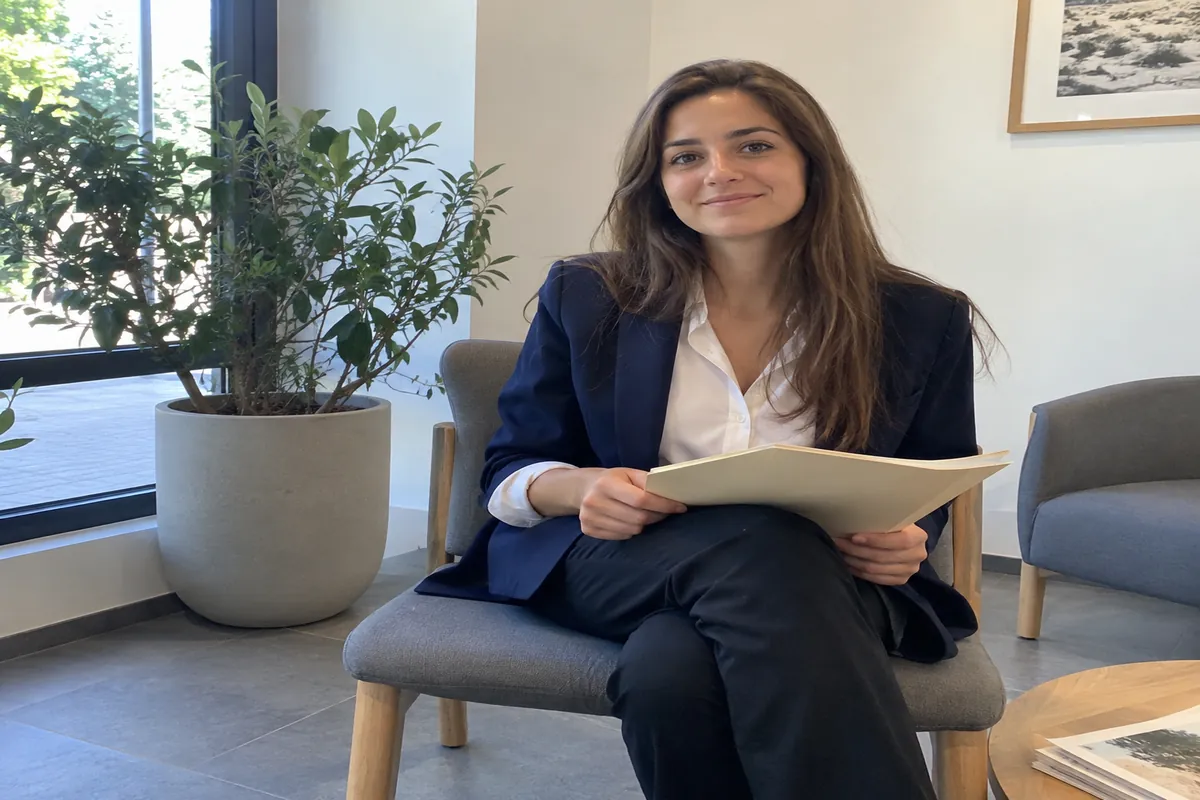
Start with the picture’s purpose, not a list of supposedly perfect colors. A staff-directory portrait, a speaker biography and a personal business profile can have different briefs. Your clothing should fit that context while still looking like something you would actually wear. A camera-friendly outfit does not need to become a new workplace uniform.
What should you ask before choosing clothes?
Ask who will use the portrait, how it will be cropped and whether the photographer has a background or wardrobe plan. A close face-and-shoulders image needs a different check from a seated portrait that includes your hands and trousers. If an organization is creating a consistent set, request its instructions before buying or borrowing a jacket.
The UMass Dartmouth preparation guide separates headshots, brand photographs and video work. Its recommendations belong to that institution’s shoots; the useful first step elsewhere is to obtain the brief for your own session. Keep the recipient’s requirements with the appointment details.
Which part of the brief is missing?
I do not know the crop
Ask whether the portrait will show only your shoulders, your seated outfit or a wider setting. Test the visible clothing before adding more pieces.
I do not know the background
Bring an allowed alternative if you can and ask to compare it in a test frame. Do not assume a color must be banned in every studio.
The request includes video as well
Ask about the microphone, movement and recording setup. A still-photo clothing check cannot settle those additional requirements.
Can you start with an outfit you already own?
Choose a clean, comfortable combination appropriate to your work and the brief. A blazer, cardigan, blouse, knit or dress may work; none is a universal requirement for every professional woman. Check the condition of the visible neckline, shoulders and fastenings. Use a complete outfit you can sit and stand in without repeatedly adjusting it.
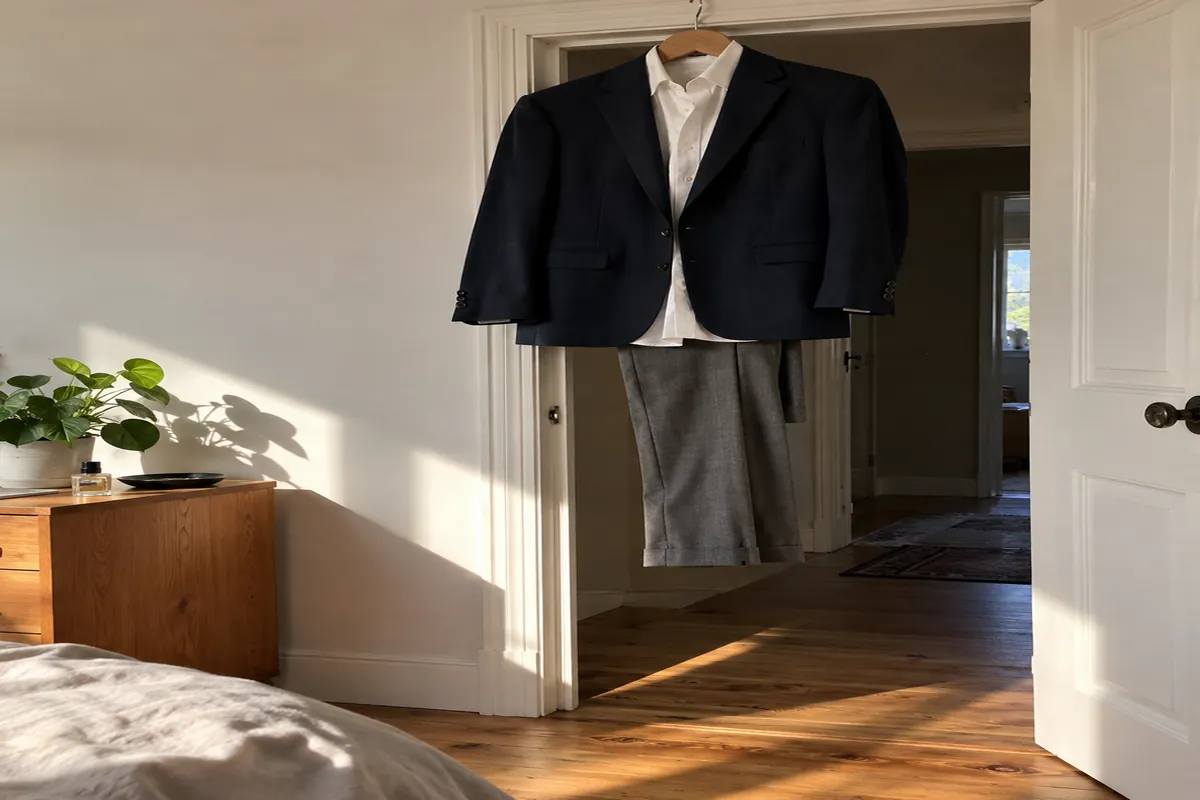
Put the combination on rather than judging it only on a hanger. Look at whether the neckline, collar and layer sit comfortably in the planned position. If you already have a familiar option, test that before buying something for one photograph. The signature-style guide helps identify choices you recognize as your own.
How do colors and patterns change the decision?
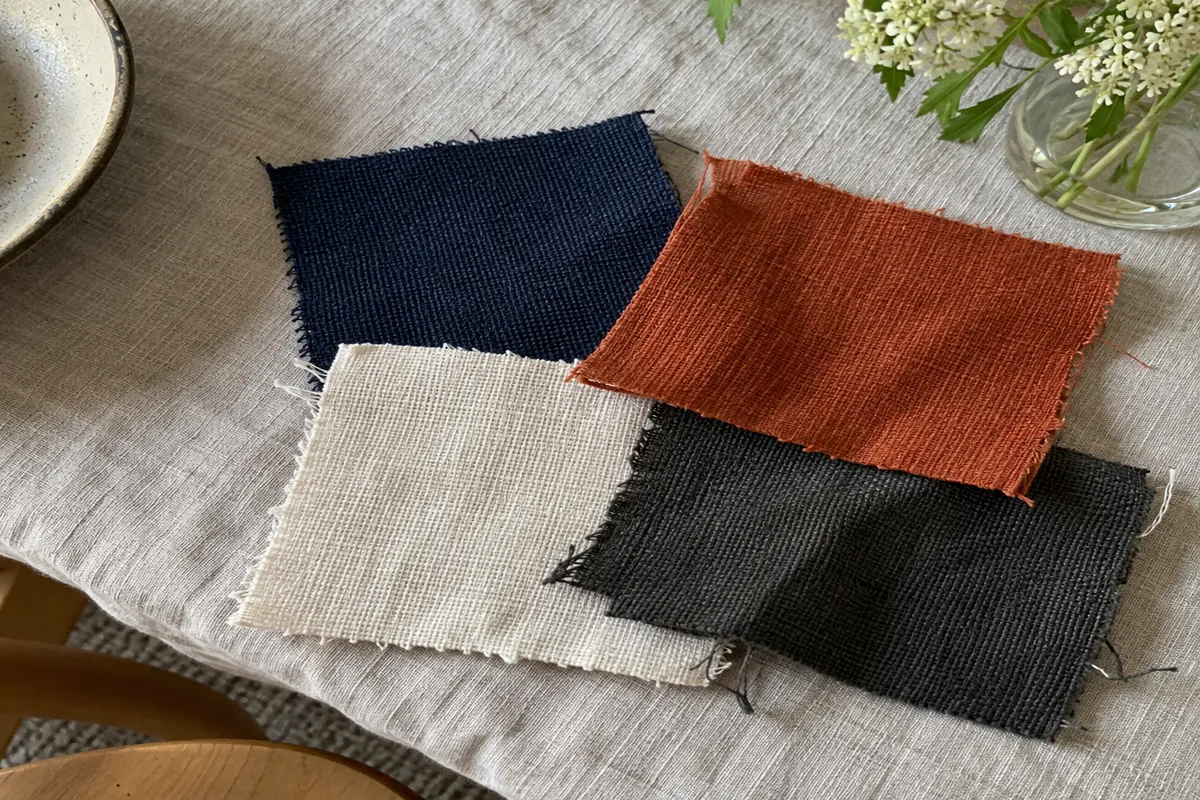
Compare them with the actual background and lighting when possible. JCPenney Portraits’ headshot preparation suggests solid colors or subtle patterns and clothing suited to the person’s profession. That is a practical starting point, not proof that one shade makes everyone look more competent or that a dark jacket can never be photographed well.
In a test frame, check whether your face remains the focus, the garment’s edges are visible and the fabric produces an unwanted pattern. Ask the photographer about any concern before changing the outfit. A phone snapshot can help you notice a collar or accessory, but it does not reproduce a studio’s light, lens or finished crop.
| What you notice | What to ask or check |
|---|---|
| Jacket edge blends into the backdrop | Can position, light or an allowed alternative separate it? |
| A fine pattern looks distracting | Does it remain a problem in the photographer’s actual capture? |
| A collar changes when you sit | Can you sit comfortably in the intended portrait position? |
| A personal detail dominates the crop | Would a quieter familiar option better suit this use? |
Should you change your glasses, hair or makeup?
Start with your normal presentation and discuss practical issues with the photographer. The UMass guide welcomes the glasses a person normally wears and does not expect makeup from someone who does not usually use it. A possible reflection is a reason to review a test image, not a universal instruction to remove your glasses or stop looking like yourself.
Check a familiar hairstyle, neckline and any accessory together. Bring what you ordinarily use for a small adjustment if you want it. Avoid treating a portrait appointment as an obligation to try a new cosmetic product or make a permanent appearance change. This guide does not promise a hiring outcome or prescribe a beauty standard.
What does the test frame need checked?
The outfit is fine standing, but uncomfortable seated
Try the actual seated pose or another familiar combination. Do not rely on holding a strained position throughout the session.
Glasses show a reflection
Tell the photographer and review their adjustment in a test image. Keep the aim of a recognizable portrait clear.
The image feels unlike your working self
Identify which clothing or styling choice caused that feeling. Revisit the brief and a familiar option rather than adding more accessories.
What changes if the session includes video?
Ask the production team about sound and movement as well as the picture. A necklace or fabric may interact with a clip-on microphone, while an outfit comfortable in a still pose may behave differently when you speak or move. Ohio University’s on-camera advice is written for video and television; its production-specific color restrictions should not become a universal still-headshot rule.
If the portrait supports a talk, keep its brief separate from the conference-speaker outfit check. If it is requested during recruitment, clarify whether it is a profile image or part of a live call; the interview-outfit guide addresses the latter context. Before sending a file, confirm the intended use and delivery instructions with the recipient.
Frequently asked questions
Must every professional woman wear a blazer?
Follow the actual brief and work setting. A blazer can be an option, but it is not a universal headshot requirement.
Is black always wrong for a headshot?
Ask the photographer about the background and lighting. A production-specific restriction is not a rule for every still portrait.
Can you keep your usual glasses?
Tell the photographer that you normally wear them and check any reflections in a test frame. Aim for a recognizable portrait.
Is makeup compulsory?
This guide does not require it. Discuss your ordinary presentation and any practical session questions with the photographer.
Does a phone test replace the studio check?
It may reveal a collar or accessory issue, but it does not reproduce the studio lighting, lens or final crop.
Can the outfit guarantee a better hiring result?
No. A clothing check prepares a portrait; it cannot establish a recruitment outcome or how someone will judge it.